Major data standards frameworks aim at collaboration
WASHINGTON, DC, UNITED STATES, January 26, 2026 /EINPresswire.com/ — In a joint announcement, two major frameworks for creating data standards supporting interoperability have agreed to discuss how to provide a consolidated method for conforming to both standards. The Basic Formal Ontology (BFO) and the NIEMOpen leadership have agreed to collaborate to determine how to combine the rigor and rules of both frameworks in any given information exchange. The two communities are beginning a coordinated effort to explore collaboration on data integration, data quality, and information-sharing initiatives across their respective application spaces.
For decades, NIEM has provided a powerful, operational framework for cross-domain information exchange, enabling government agencies, international partners, and critical infrastructure organizations to share data reliably and securely at scale in 19 different domains. Now formally an OASIS standard as NIEMOpen, the work to become an ISO standard is underway. BFO, recognized in 2021 as the ISO/IEC 21838 standard for top-level ontologies, is the world’s most widely used upper ontology, supporting scientific, biomedical, industrial, and defense applications with a rigorous foundation for representing and integrating data. Over the past year, the missions of NIEMOpen and BFO have increasingly intersected. Today’s data ecosystems demand solutions that combine NIEMOpen’s exchange architecture with BFO’s semantic precision, ensuring that data is not only shared, but also understood, validated, and computable at scale across multiple domains.
In the initial stages of the collaboration, the two communities will explore ways to combine NIEMOpen domain models with domain-level extensions of BFO, such as the Common Core Ontologies (CCO). The objective is to develop more powerful and robust interoperability strategies that support cross-domain, cross-organization, and cross-mission information exchange. In announcing this collaborative effort, John Beverley, Co-Director of the BFO Governance Board, said that “These efforts will provide a more robust support for artificial intelligence applications that require high-fidelity, semantically coherent data engineered for intelligent automation.”
The reason to find ways to reconcile these two widely used frameworks for information sharing is that the world’s data needs are evolving faster than any single standard, ontology, or organization can keep pace with. Stakeholders across sectors are calling for:
• Shared meaning across disparate systems, architectures, and code bases.
• Clear, auditable semantics that support responsible AI.
• Robust, scalable information exchange frameworks that meet modern public-sector and private-sector demands.
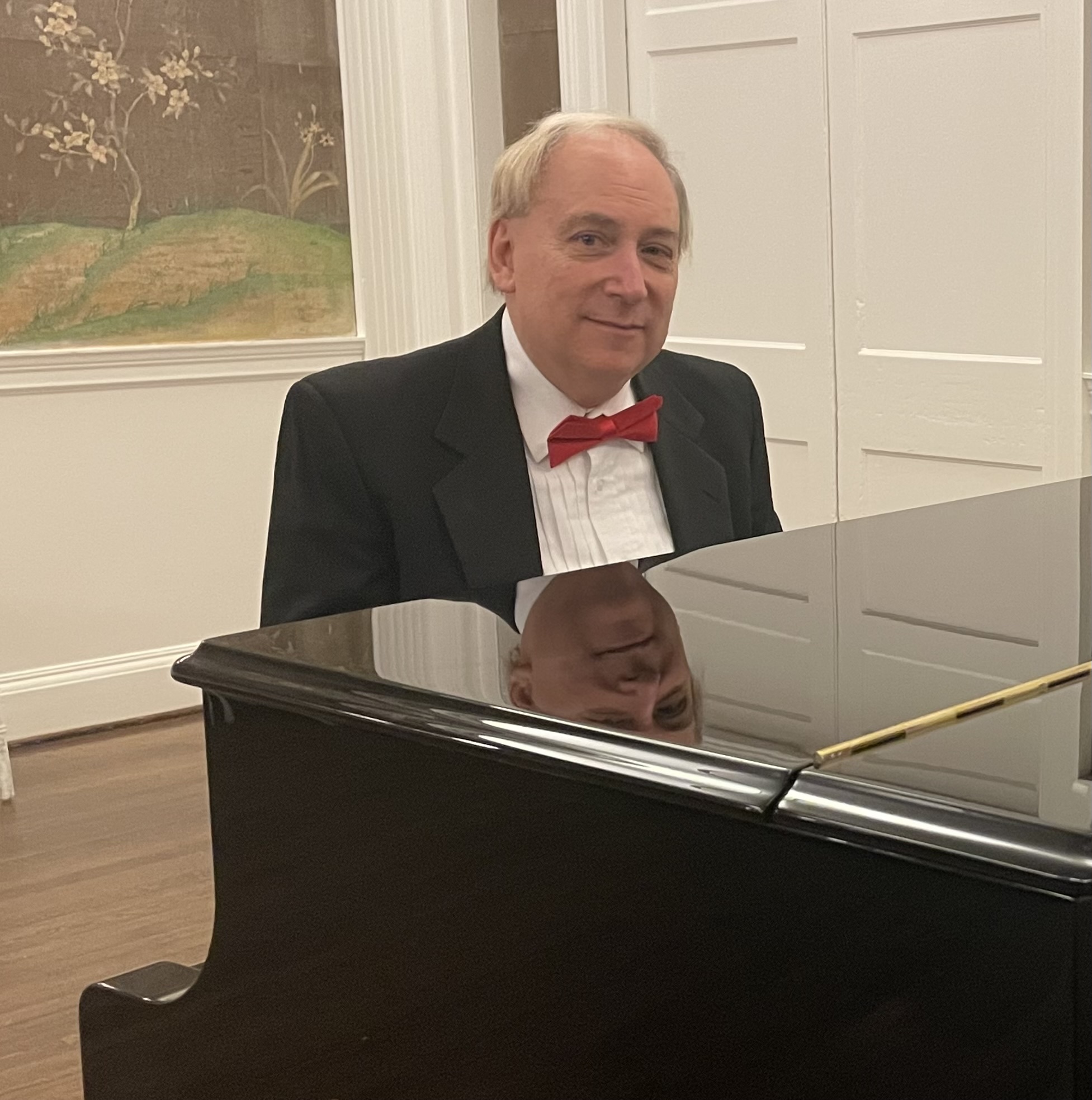
According to Paul Wormeli, Chairman of the NIEMOpen Project Governing Board, “NIEMOpen and BFO offer complementary strengths that, when considered together, will provide a foundational roadmap for the next generation of semantic interoperability.”
Looking Ahead
Leadership of these two communities describes this collaboration as a shared commitment to advancing global data interoperability while respecting the identities, distinct missions, and established practices of both communities. They envision a future in which NIEM’s exchange standards and BFO’s ontological clarity work side by side, enabling organizations around the world to integrate, share, and reason about data with unprecedented precision and reliability. The ultimate goal is to build a data ecosystem that is more coherent, more connected, and better able to support the critical missions of the 21st century.
Paul Wormeli
NIEMOpen Project Governance Board Chair
+1 7036278154
email us here
Visit us on social media:
LinkedIn
X
Legal Disclaimer:
EIN Presswire provides this news content “as is” without warranty of any kind. We do not accept any responsibility or liability
for the accuracy, content, images, videos, licenses, completeness, legality, or reliability of the information contained in this
article. If you have any complaints or copyright issues related to this article, kindly contact the author above.